New DevicesUnder the Hood
Tesla raised the Model Y for the first time in two years, and only where it could
The Premium RWD went from $44,990 to $45,990. The base RWD did not move at all.
 Tesla raised the Model Y for the first time in two years, and only where it could
The Premium RWD went from $44,990 to $45,990. The base RWD did not move at all.
 Meta cut marketing spend and headcount together, then revenue came back
Meta's marketing and sales expense fell 19.4% in 2023, the same year global headcount fell to 67,317 from a 2021 peak of 71,970. Revenue, which had fallen for the first time in company history the year before, grew 15.7%.
 Wayfair raised ad spend in the year it posted its worst-ever loss
Advertising rose 6.9% in 2022 to $1.47bn. Revenue fell 10.9% the same year, and the net loss reached $1.33bn — the largest in the company's history at the time.
 Warby Parker grew 29% while its marketing share came down
Revenue rose from $598.1M to $771.3M between 2022 and 2024. Marketing spend rose too, but slower — the marketing-to-revenue ratio ended the window at 12.4%, below where it started.
 Stitch Fix cut advertising 41% and revenue fell harder
Stitch Fix raised advertising spend in fiscal 2022, a year revenue had already dipped. The following year it cut advertising 41% — and revenue fell 20.9%, its steepest single-year drop.
The Premium RWD went from $44,990 to $45,990. The base RWD did not move at all.
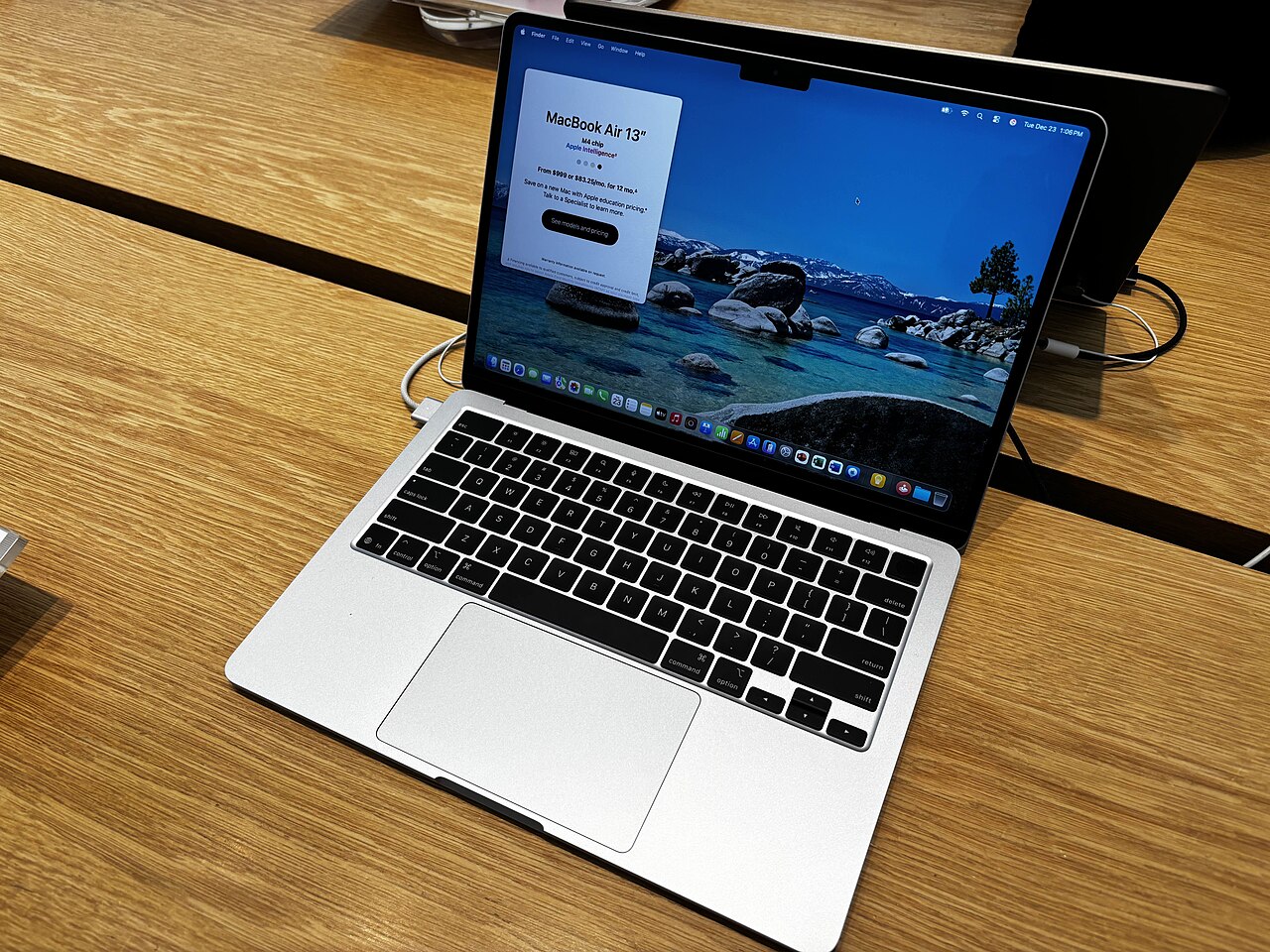
Nineteen products went up on the same day. The entry MacBook Air took $200, an 18.2% rise; the M3 Ultra Mac Studio took $1,300.
The Ultra went from $1,299 to $1,099 on Samsung’s own US store, without a trade-in. The S26 and S26+ came down $100 each.
Apple has published exactly one thing about tomorrow: a date, a time, a place and three words. Everything else you have read about the iPhone 18 Pro and a folding iPhone is somebody’s reporting of an unannounced product.
A model release on 13 August 2026 with better benchmarks than the version three weeks before it, at half the cost per million tokens. The doubling on 1 January 2027 is in the same announcement, in the same paragraph, and it is the number that will matter to anyone building on it.
Seven chips, three rack configurations, and a set of headline numbers that are almost all ratios rather than totals. For anyone buying compute rather than reading about it, the denominator is the part that decides what the platform costs to run.
Three phones at $899, $1,099 and $1,299, announced on 12 August 2026 and on shelves on the 20th. A dozen numbers came with them.
Meta's marketing and sales expense fell 19.4% in 2023, the same year global headcount fell to 67,317 from a 2021 peak of 71,970. Revenue, which had fallen for the first time in company history the year before, grew 15.7%.
In the fiscal year covering the pandemic remote-work surge, DocuSign spent 74 cents on selling and marketing for every dollar of revenue. Two fiscal years later it spent 46 cents.
Advertising rose 6.9% in 2022 to $1.47bn. Revenue fell 10.9% the same year, and the net loss reached $1.33bn — the largest in the company's history at the time.
Revenue rose from $598.1M to $771.3M between 2022 and 2024. Marketing spend rose too, but slower — the marketing-to-revenue ratio ended the window at 12.4%, below where it started.
Stitch Fix raised advertising spend in fiscal 2022, a year revenue had already dipped. The following year it cut advertising 41% — and revenue fell 20.9%, its steepest single-year drop.
Selling and marketing climbed to 31.7% of revenue in 2025, the highest share in years. Net income fell from $303.3M to $163.0M in the same twelve months.
Between 2015 and 2017 Dropbox moved most of its storage off Amazon and onto its own hardware. Its IPO filing shows gross margin going from 32.5% to 66.6% over the same period.
In the year to January 2021 Zoom quadrupled revenue on twice the marketing budget. The year after is the one worth reading: it shows what the same company costs when demand stops arriving on its own.
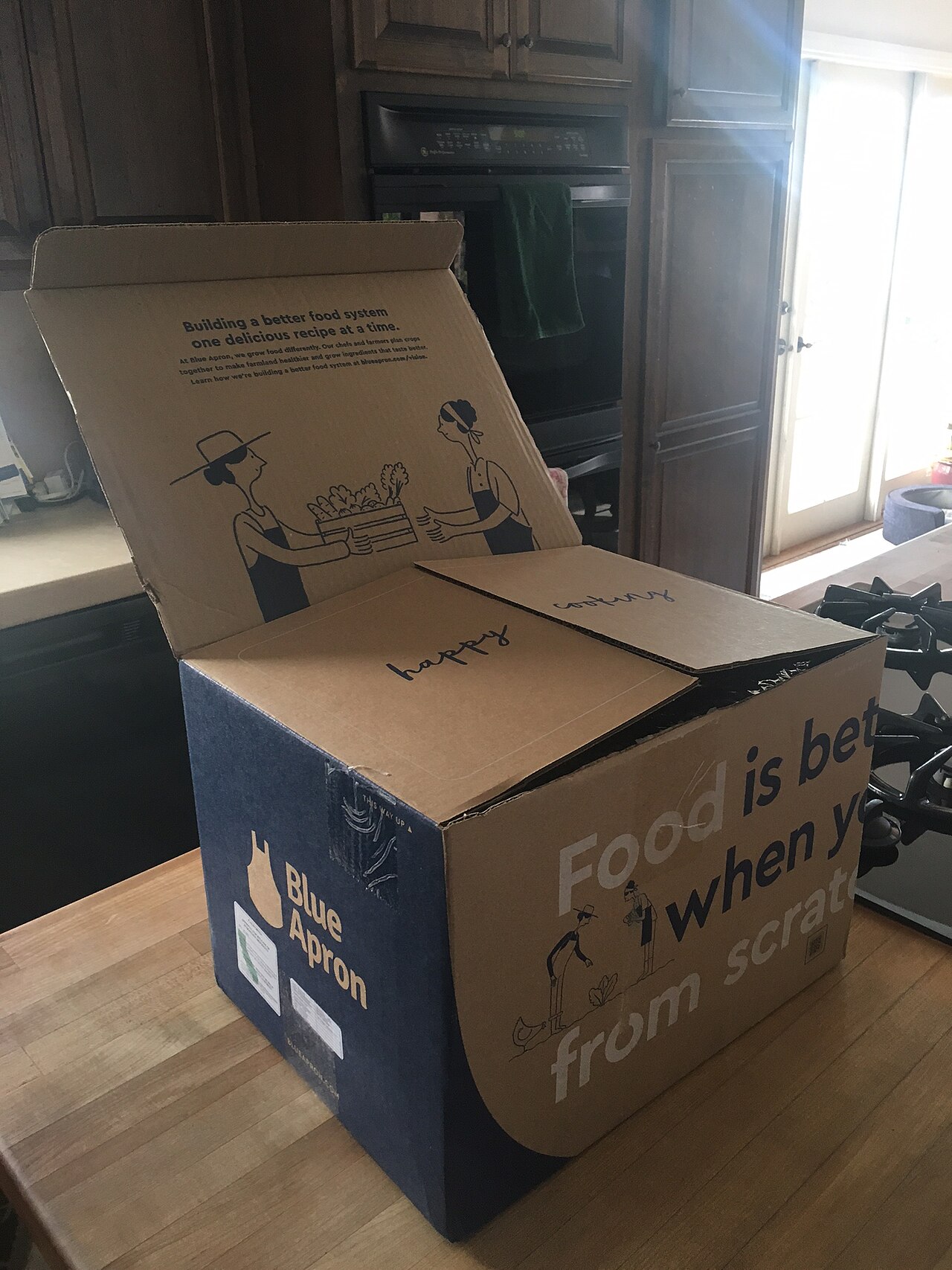
Blue Apron’s biggest marketing year was followed by a 24% fall in revenue, then a 32% fall after that. The filings show what happens when acquisition spend is covering for a retention problem.
In the twelve months to June 2022, Peloton spent $1.02bn on sales and marketing while revenue fell $440M and the company lost $2.83bn. The filings show a budget set for a demand curve that had already turned.
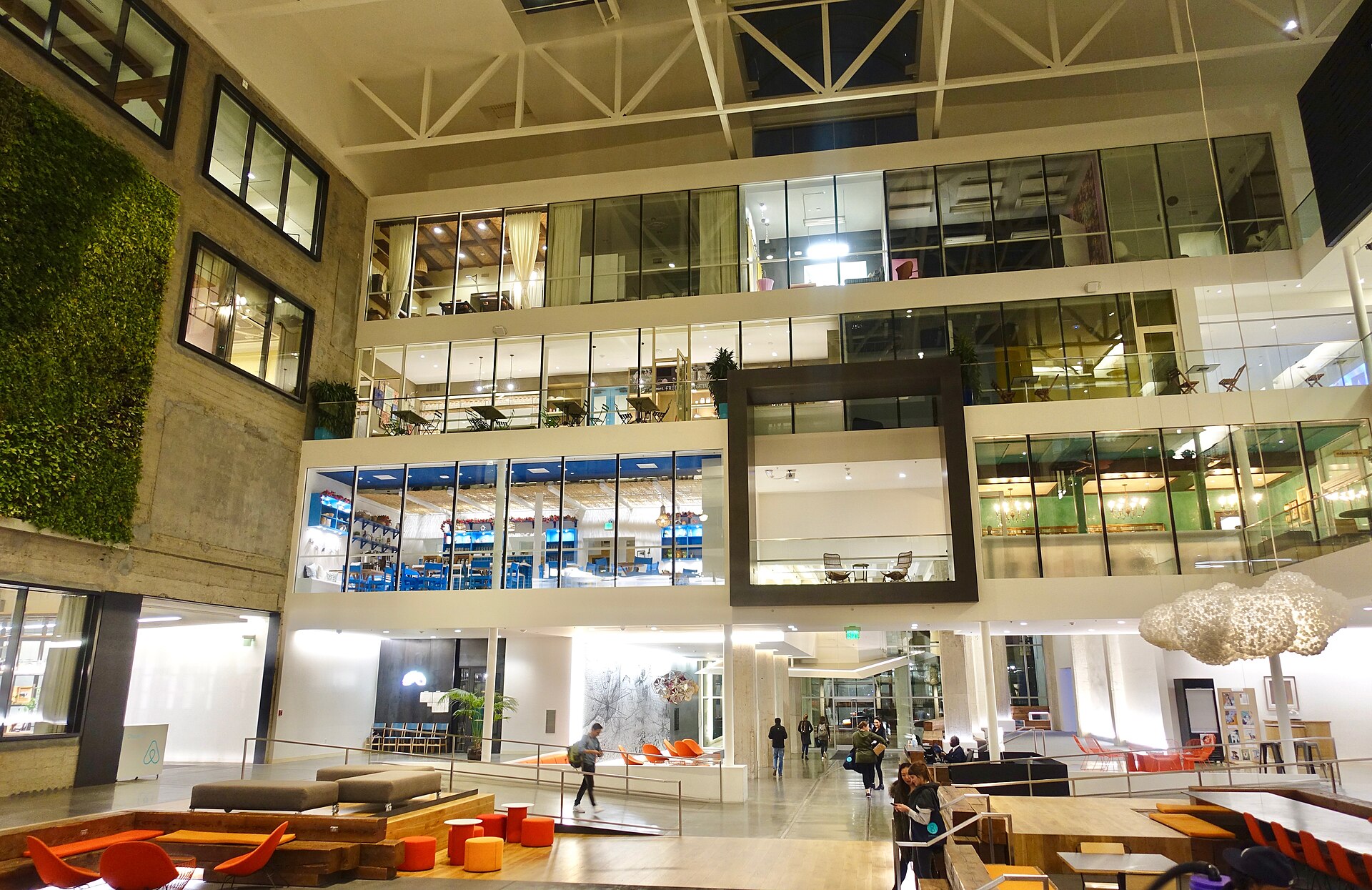
In 2020 Airbnb cut sales and marketing by more than a quarter. By 2021 revenue was 25% above 2019 on roughly the same reduced budget.
One weekly digest per category you follow. No account, no password — just an email address.
Two or three cases and one deal, every Thursday. Nothing else.
Protected by Turnstile. We never sell or share your address.